
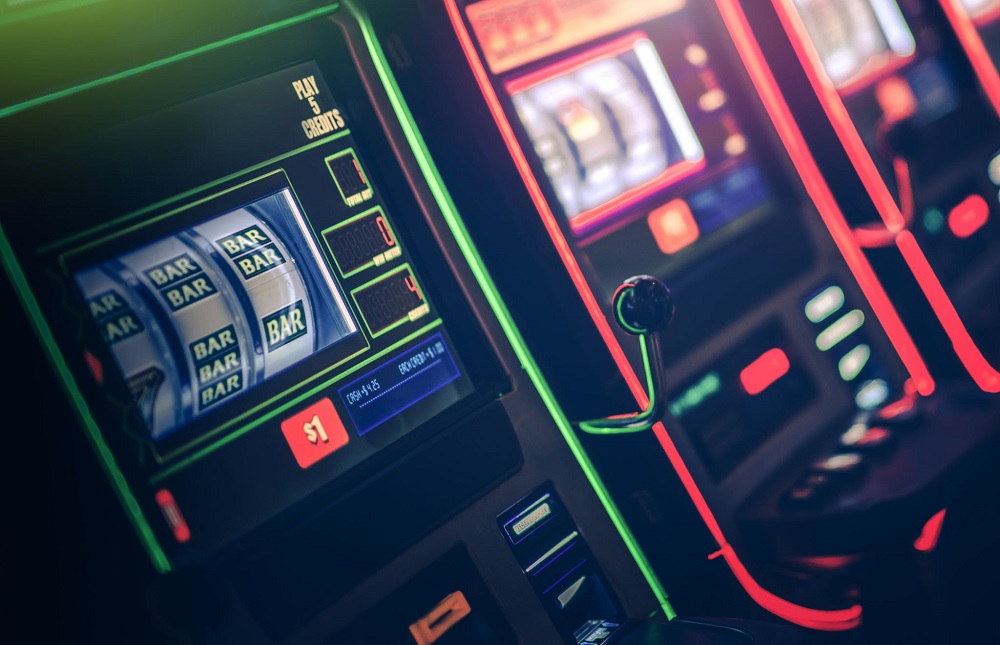

The global gaming industry relies heavily on slot machines to generate the majority of casino revenue, both in land-based establishments and on digital platforms. While the underlying mathematics—such as the Random Number Generator, volatility, and Return to Player percentages—determine the financial structure of a game, it is the outer wrapping that attracts a player in the first place. The theme of a slot machine serves as the primary hook for player acquisition and a foundational driver of long-term retention.
Modern game developers spend massive resources designing distinct narratives, visual elements, and auditory landscapes. By leveraging specific themes, developers tap into deep-seated psychological triggers, familiarity, and cultural trends to convert casual players into highly engaged users. Understanding how these themes function reveals the intricate behavioral science behind the modern gaming floor.
The Psychology of Visual Attraction and First Impressions
The initial interaction a player has with a slot machine is entirely visual. In a crowded casino floor or a dense online lobby, hundreds of options compete for limited attention. Game designers use themes to create an immediate emotional connection within a fraction of a second.
Cognitive Familiarity and Trust
Human brains are wired to seek patterns and familiar concepts. When a player sees a slot machine themed around an era they enjoy, such as ancient Egypt, or a media franchise they follow, their brain experiences a sense of recognition. This familiarity lowers the cognitive barrier to entry. A player is far more likely to approach a machine featuring characters they already know and love than a generic, abstract set of reels. This recognition creates an immediate sense of comfort and trust, making the player feel that the gaming experience will be enjoyable and intuitive.
Sensory Stimulation and Subconscious Cueing
Themes dictate the color palettes, animations, and typography used in a game. For instance, luxury-themed slots often deploy deep golds, vibrant reds, and sleek blacks to evoke feelings of wealth, high status, and exclusivity. On the other hand, adventure-themed games rely on earthy tones, glowing neon runes, and cinematic lighting to mimic video game environments. These visual choices act as subconscious cues. They tell the player exactly what kind of emotional journey to expect, preparing them for an immersive experience before they even hit the spin button.
Narrative Immersion and the Gamification of Slots
Historically, slot machines were basic mechanical devices featuring cherries, bars, and lucky sevens. The modern player, however, demands more than just a spinning wheel of symbols. Today’s slot enthusiasts seek an immersive narrative experience, which has led to the widespread gamification of casino products.
Storytelling as a Retention Tool
When a slot machine incorporates a concrete theme, it transforms a repetitive physical or digital action into a progressive journey. Whether it is a Norse mythology game where the player helps Thor fight frost giants, or a pirate adventure focused on unearthing buried treasure, the theme provides a narrative framework.
- Leveling Up: Many modern slots feature unlockable chapters, changing backgrounds, and evolving storylines that progress as the player continues to spin.
- Character Investment: Players become invested in the outcome of the narrative characters, wanting to see how the story concludes or what hidden bonus realm lies ahead.
- Goal-Oriented Play: Instead of simply pulling a lever to win money, the player is trying to solve a mystery, finish a quest, or defeat a boss, which drastically extends session times.
Enhanced Bonus Rounds and Thematic Continuity
The theme reaches its full engagement potential during bonus features. In older models, a bonus might simply be a screen offering free spins with a standard multiplier. In themed slots, the bonus round is a theatrical production. A sci-fi slot might launch an interactive space battle where players select enemy ships to reveal coin credits. A horror slot might require navigating a haunted mansion to find hidden multipliers. Because these bonus features directly mirror the core theme, they satisfy the player’s craving for variety and meaningful gameplay progression.
Auditory Landscapes and Sound Engineering
Visuals capture the player, but sound retains them. Every slot theme comes equipped with a custom-engineered auditory footprint that acts as a continuous feedback loop, reinforcing the theme and intensifying player focus.
The Power of the Soundscape
Sound effects and background music are tailored precisely to match the chosen narrative. A classic fruit machine relies on electronic bleeps, mechanical clicks, and ringing bells, evoking nostalgia for traditional arcades. Conversely, an epic fantasy slot might feature a sweeping, orchestral score recorded by a live symphony, interspersed with cinematic voice acting and heavy thuds when high-value symbols land on the reels. This continuous wall of sound blocks out external real-world distractions, wrapping the player in a controlled environment optimized for prolonged focus.
Reinforcing the Illusion of Winning
Audio engineers use specific chords and musical progressions to celebrate outcomes. Crucially, themed audio is designed to deliver positive reinforcement even during a loss disguised as a win—an event where the player wins back an amount lower than their initial wager. When a matching set of thematic icons lands, the triumphant music fires off, triggering a release of dopamine. Because the sound effect feels authentic to the world of the game, it makes the gameplay loop feel deeply satisfying, encouraging the player to keep interacting with the machine.
Pop Culture Licensing and the Power of Nostalgia
One of the most effective strategies utilized by major slot developers is securing intellectual property rights for major pop culture brands. Licensed slots represent a massive segment of the modern casino market, bridging the gap between mainstream entertainment and gambling.
Capitalizing on Existing Fan Bases
By launching games based on blockbuster movies, iconic television series, famous rock bands, or legendary comic book heroes, developers inherit a massive, pre-existing audience. A fan of a classic rock band will naturally gravitate toward a slot machine dedicated to that group, eager to hear their favorite tracks blast through the machine’s high-fidelity speakers. The player is not just playing a game of chance; they are celebrating their personal fandom.
Nostalgia as an Emotional Catalyst
Nostalgia is a powerful human emotion that evokes warmth, security, and happiness. Slot themes that focus on retro aesthetics—such as eighties pop culture, classic arcade aesthetics, or historic cultural milestones—transport players back to specific moments in their lives. This emotional time travel alters the player’s perception of risk. When enveloped in a nostalgic bubble, individuals are typically more relaxed, more patient with losing streaks, and more willing to extend their overall playing session.
Demographic Targeting and Regional Preferences
A single slot theme will not appeal to every demographic. Therefore, operators and developers analyze player data extensively to deploy specific themes tailored to different age groups, genders, and geographic locations.
Age and Gameplay Expectations
Different generations seek entirely different experiences when interacting with slot content:
-
Millennials and Gen Z: Younger demographics generally avoid passive, traditional slot formats. They favor complex themes modeled after video games, fantasy worlds, and highly interactive sci-fi universes that offer skill-based elements or complex mechanics.
-
Baby Boomers: Older demographics often prefer clean, easy-to-read interfaces. They gravitate toward nostalgic retro themes, classic fruit symbols, gold mines, or traditional Asian cultural motifs that emphasize clear winning lines over distracting animations.
Cultural and Regional Customization
Slot themes are heavily localized to match regional tastes and cultural archetypes. In Asian markets, games prominently feature themes of luck, wealth, and traditional mythology, utilizing symbols like dragons, golden coins, and koi fish, wrapped in vibrant red and gold graphics. In contrast, Western markets show a high preference for themes centered around Greek and Norse mythology, wild west outlaws, and localized pop culture references. By adjusting the narrative to fit the cultural context of the target market, casinos ensure maximum resonance and engagement.
Frequently Asked Questions
What is the most popular slot machine theme in the world?
While preferences vary by region, themes centered around ancient Egypt and wealth/luxury consistently rank as the most popular worldwide. Titles featuring pyramids, pharaohs, and treasures tap into a universal human fascination with hidden riches and historical mystery.
Do slot machine themes affect the actual payout odds of the game?
No. The visual theme is completely cosmetic and acts as an aesthetic layer built on top of the game’s mathematical math model. The Return to Player percentage and volatility are determined solely by the software code and the Random Number Generator, completely independent of the visual artwork or audio.
Why do some slots use cartoon styles while others use hyper-realistic graphics?
Developers use varying art styles to target distinct player profiles. Cartoon-style slots often convey a lighthearted, casual, and low-stress environment, appealing to players looking for fun entertainment. Hyper-realistic graphics are designed to mimic premium video games, attracting tech-savvy players who want high production value and cinematic intensity.
How do casinos decide where to place specific slot themes on the physical gaming floor?
Casinos place highly recognizable, bright, and loud licensed themes along main walkways and entry points to catch the eyes of casual passersby. Niche, high-volatility, or traditional themes are generally placed deeper within the slot banks, where dedicated players prefer to sit quietly without heavy foot traffic distractions.
Do licensed pop culture slots have lower payouts due to royalty costs?
Historically, some licensed slot machines featured slightly lower Return to Player percentages to help offset the expensive licensing fees paid to movie studios or celebrities. However, in the modern competitive digital landscape, developers strive to keep payouts well-balanced to ensure players do not abandon the game for higher-paying generic alternatives.
How often do slot developers change or update themes to keep players engaged?
Major game studios release new slot titles monthly. While they rarely update an existing standalone game’s theme, they frequently release sequels to highly successful games or create seasonal variations, such as holiday or Halloween editions, to revitalize player interest and maintain long-term engagement.